

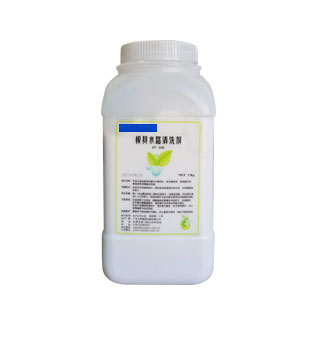
Electrolytic Mold Cleaning Machines in the Plastic Processing Industry
Industry Background and Market Demand
The plastic processing industry relies heavily on precision molds to produce consistent, high-quality parts. Over time, molds accumulate residues such as plastic polymers, release agents, and carbon deposits, which degrade performance and increase downtime. Traditional cleaning methods—mechanical scrubbing, chemical baths, or ultrasonic cleaning—often fall short in efficiency, environmental compliance, or precision.
Electrolytic mold cleaning machines have emerged as a superior alternative, offering non-abrasive, chemical-free cleaning with minimal manual intervention. The demand for these systems is growing, particularly in sectors requiring high repeatability, such as automotive, medical devices, and consumer electronics. Regulatory pressures to reduce hazardous waste further drive adoption.
Core Concept and Key Technology
Electrolytic cleaning employs an electrochemical reaction to dissolve contaminants without damaging the mold surface. The process involves:
1. Electrolyte Solution – A conductive, non-corrosive solution (often alkaline-based) facilitates ion transfer.
2. Cathode-Anode Setup – The mold acts as the anode, while a stainless-steel electrode serves as the cathode.
3. Controlled Current Application – A low-voltage DC current triggers oxidation, breaking down organic residues into soluble compounds.
Unlike abrasive methods, electrolysis preserves mold geometry and surface finish, extending tool life. Advanced systems integrate real-time monitoring to adjust voltage, temperature, and electrolyte concentration for optimal results.
Product Structure, Materials, and Manufacturing
A typical electrolytic cleaning system consists of:
- Tank Assembly – Constructed from corrosion-resistant materials (e.g., polypropylene or titanium-lined steel).
- Power Supply Unit – Delivers stable DC current with adjustable parameters (0–24V, 5–50A).
- Filtration System – Removes dislodged particles to maintain electrolyte purity.
- Control Panel – Programmable logic controllers (PLCs) automate cycles and log performance data.
Manufacturers prioritize durability and ease of maintenance. Sealed components prevent electrolyte leakage, while modular designs simplify part replacement.
Critical Factors Affecting Performance
1. Electrolyte Composition – Must balance cleaning efficacy with material compatibility. Overly aggressive solutions risk pitting.
2. Current Density – Excessive current accelerates wear; insufficient current prolongs cleaning time.
3. Temperature Control – Optimal range (40–60°C) ensures reaction efficiency without electrolyte degradation.
4. Mold Material – Tool steels (e.g., P20, H13) respond well, but aluminum molds require lower current densities.
Supplier Selection and Supply Chain Considerations
When sourcing electrolytic cleaning machines, buyers should evaluate:
- Technical Support – Vendors offering process validation and troubleshooting reduce operational risks.
- Compliance – Machines should meet regional safety standards (e.g., CE, UL).
- Scalability – Modular systems accommodate future capacity expansions.
- After-Sales Service – Availability of spare parts and on-site maintenance is critical for minimizing downtime.
Leading suppliers often provide pilot testing to verify compatibility with specific mold alloys and contaminants.
Common Challenges and Industry Pain Points
1. Residue Variability – Silicone-based release agents require different settings than carbonized plastics.
2. Process Optimization – Fine-tuning parameters for complex geometries can be time-consuming.
3. Initial Investment – Higher upfront costs than manual cleaning, though ROI is achieved through reduced labor and mold refurbishment expenses.
4. Electrolyte Disposal – While less hazardous than solvents, spent electrolyte must still be treated per environmental regulations.
Applications and Case Studies
Automotive Sector
A German injection molder reduced mold downtime by 70% after switching from chemical baths to electrolytic cleaning for headlight lens production. The system restored optical clarity without micro-scratches.
Medical Device Manufacturing
A U.S.-based company producing syringe components eliminated bacterial contamination risks by adopting electrolytic cleaning, which achieves sterilization-level cleanliness.
Consumer Electronics
A Taiwanese supplier of smartphone casings reported a 40% increase in mold lifespan, attributing it to the non-abrasive nature of electrolysis.
Current Trends and Future Outlook
1. Automation Integration – Robotic loading/unloading systems are being paired with electrolytic cleaners for lights-out production.
2. Green Chemistry – Research focuses on biodegradable electrolytes to further reduce environmental impact.
3. AI-Driven Optimization – Machine learning algorithms analyze historical data to predict optimal cleaning parameters for new molds.
4. Hybrid Systems – Combining electrolysis with ultrasonic or laser cleaning addresses stubborn contaminants.
FAQ
Q: How long does an electrolytic cleaning cycle typically take?
A: Cycle times range from 15 minutes to 2 hours, depending on contamination levels and mold size.
Q: Can electrolytic cleaning repair mold surface damage?
A: No. While it removes residues effectively, it cannot reverse mechanical wear or corrosion.
Q: Is operator training required?
A: Basic training on electrolyte handling and parameter adjustment is recommended, though most systems are automated.
Q: What maintenance is needed?
A: Regular electrolyte replacement, electrode inspection, and tank cleaning ensure consistent performance.
Conclusion
Electrolytic mold cleaning machines represent a significant advancement in plastic processing, combining efficiency, sustainability, and precision. As industries prioritize lean manufacturing and environmental compliance, adoption is expected to rise, supported by ongoing technological refinements. Companies investing in these systems gain a competitive edge through improved mold longevity and reduced operational costs.
@2024 Shanmo Precision Machinery (Kunshan) Co., Ltd. Todos los derechos reservados. Máquina de limpieza de vías navegables del molde,
máquina de limpieza de moldes electrolítica, fabricante de máquinas de limpieza de moldes
TELÉFONO:+86 512-55001520
WhatsApp:+86 15599099006 / +86 15599099098
Correo electrónico:sanmo030788@gmail.com
Agregar:No. 56, carretera del caparazón yang, ciudad de Zhou, ciudad de Kunnanshan, provincia de Jiangsu


Este sitio web utiliza cookies para garantizar que obtenga la mejor experiencia en nuestro sitio web.
 English
 Pусский
 العربية
 Tiếng Việt



 Teléfono
 E-mail
Comentario
(0)